How can software development help a company grow?
Custom software development is a powerful tool for companies looking to strengthen their competitiveness. It generally addresses two key strategic needs:
Optimization and automation: When a company seeks to improve its performance, it must rely on tools tailored to its organization and internal processes. Custom software enables the automation of complex tasks, optimizes data management, and streamlines interactions between teams and subsidiaries.
Developing a digital product: Many companies aim to commercialize a software solution, such as a SaaS platform or a B2B/B2C digital service. Ensuring its adoption and profitability requires technical robustness, scalability, and an optimized user experience.
Whether for internal optimization or commercialization, a custom-built software solution should align with the company’s global strategy and integrate seamlessly into its existing digital ecosystem.
How does a software development project unfold?
A software project follows a structured development cycle while integrating iterative and collaborative approaches to refine the solution based on feedback and evolving needs.
1. Defining objectives: We identify strategic and technical challenges, analyze existing systems, and establish a clear vision for the product.
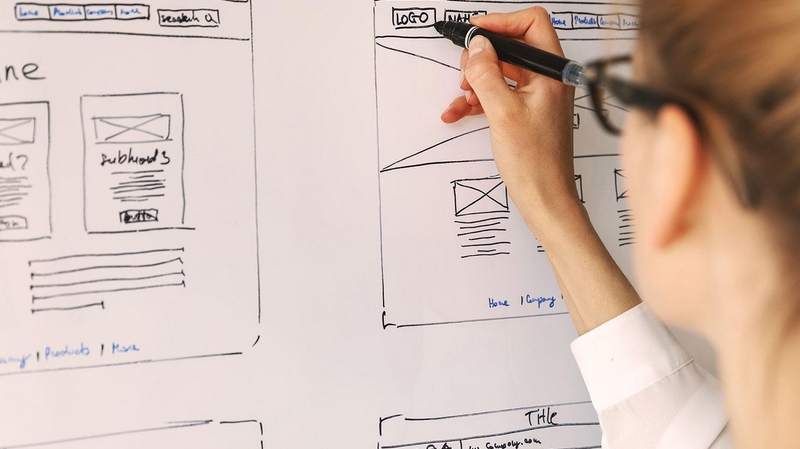
2. UX/UI design and architecture: The interface and user experience are validated through interactive prototypes, while the architecture is designed to ensure scalability and seamless integration.
3. Development and incremental releases: The project is divided into phases, with progressive deliveries allowing continuous adjustments and validation of key functionalities.
4. Testing and validation: Each iteration undergoes rigorous testing to ensure performance, security, and system stability.
5. Deployment and support: Once the software is live, we provide team training, technical support, and updates to ensure optimal adoption.
What are the common pitfalls in software development?
Software development presents several challenges that must be anticipated to ensure project success:
Lack of strategic vision: A project without clear alignment to business goals can lead to cost overruns and poor adoption.
Rigid architecture: A system that does not account for future growth can quickly become obsolete and difficult to maintain.
Inappropriate technology choices: Selecting the wrong technology stack can affect scalability, security, and integration with existing systems.
Insufficient user onboarding: Even the best software can fail if users are not adequately supported in its adoption.
Discover the pitfalls to avoid in software design
Which technology should I choose for my project?
Technology selection depends on several factors, including project complexity, system interoperability, scalability, security, maintenance costs, and expected performance.
For example:
For a SaaS platform: A microservices-based architecture leveraging cloud-native technologies to handle growing workloads.
For an internal business tool: A modular approach allowing seamless integration with existing management systems.
For a mobile application: Choosing between native development and cross-platform solutions based on performance and user experience requirements.
Each project undergoes a detailed analysis to determine the most suitable technologies based on business goals and technical constraints.
What budget should be planned for a software development project?
The budget for a software project depends on its scope, complexity, and specific requirements in terms of security, integration, and scalability.
Key factors influencing cost include the number of features, data volumes, customization levels, and the need for integration with third-party systems.
We support our clients in structuring their projects to optimize investment and maximize the value created by the developed solution.
What are the typical timeframes for custom software development?
Timeframes vary depending on the project’s scale, specification maturity, and the level of integration required with the existing ecosystem.
A business tool designed to optimize internal processes will have a different development cycle than a SaaS platform requiring scalable architecture and frequent iterations.
We follow an approach that prioritizes progressive deployments and continuous improvement cycles, ensuring efficient delivery and a faster return on investment.